
Terry Lewis, CEO of RoboShadow, recently sat down with Dave Sutton, founder of the MSP marketing agency Wingman, for a wide-ranging conversation about what actually moves the needle on MSP growth. Terry spent years growing 3Gi Technology, his managed service provider, to around £10 million in turnover, long before RoboShadow came along. Dave, meanwhile, built his career inside the MSP industry before launching Wingman after recognising that many providers needed a more effective approach to sales and marketing.
Interestingly, the conversation didn’t start with campaigns, channels, or content. Instead, sales took the spotlight, and specifically how many MSP owners end up blaming their marketing for problems that actually sit further down the pipeline.
This is the first of three articles drawn from that conversation. It covers the sales groundwork Dave believes has to be in place before an MSP spends anything on marketing:
-
Setting numbers-based targets,
-
Deciding who actually closes deals,
-
And structuring pay so it doesn't break the business.
The second and third pieces look at the marketing side itself - how referrals, AI, and outbound tactics fit together, and what the whole exercise actually costs.
Marketing and sales were never designed to work together
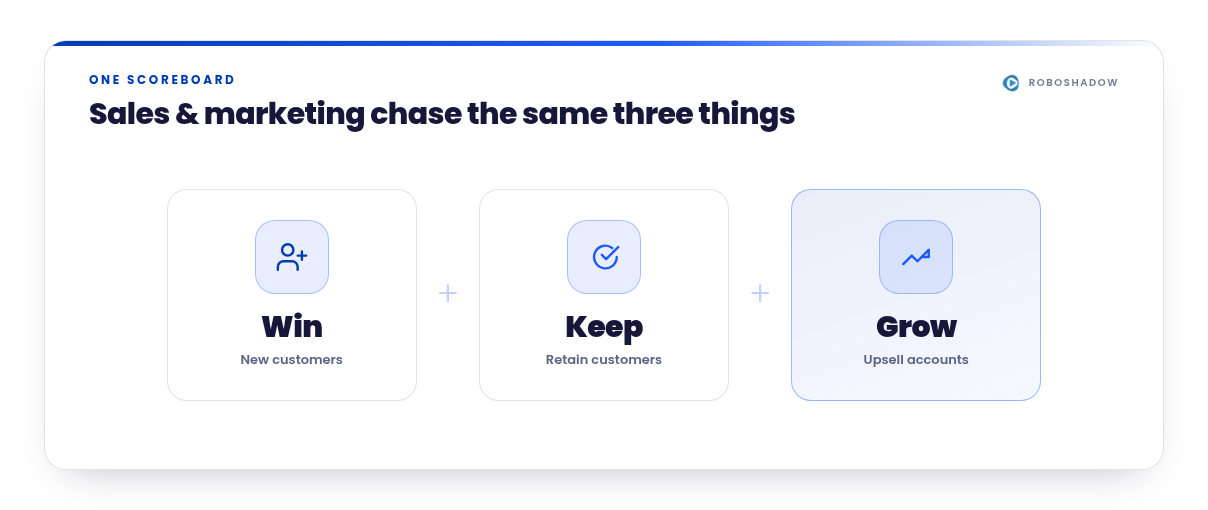
Dave's starting point is that the friction between marketing and sales isn't specific to the MSP world. Corporate organisations have run the two as separate functions with separate goals for decades, and the same split is present across most professional services businesses. What's changed, in his view, is that they can no longer really afford to operate apart, because they're chasing the same three outcomes:
- New customers,
- Retained customers,
- And upsells to the customers already on the books.
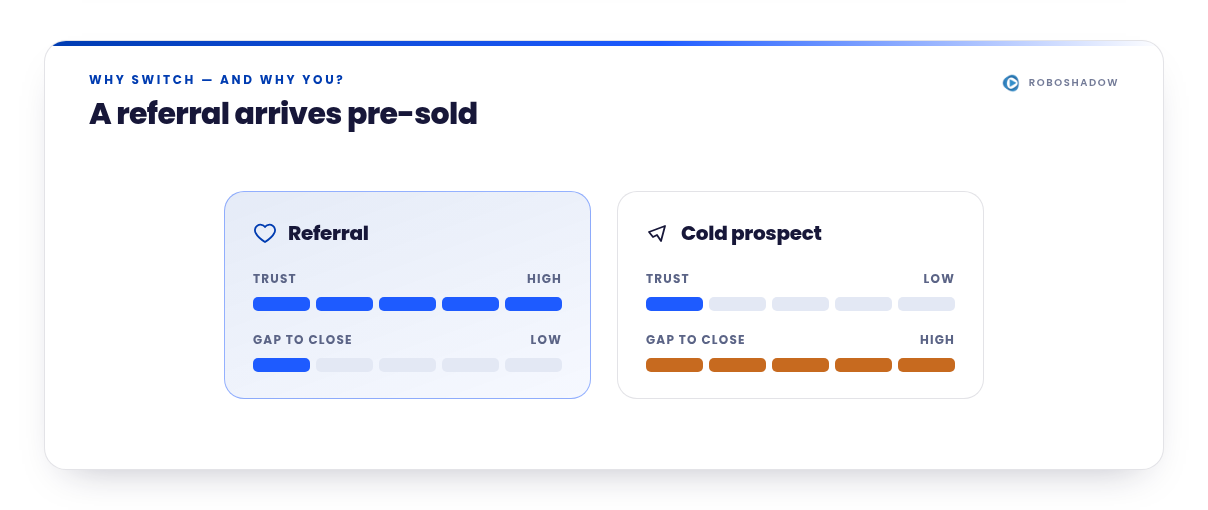
For most MSP owners, 'sales' has long meant one specific process for a long time, where a referral comes in, trust has already been established, and the job is to put the right proposal in front of the right person. Dave doesn't dispute that this model works, or that it's built plenty of successful MSPs over the years. The trouble starts once an owner decides to invest in proactive marketing on top of it.
There's suddenly a much bigger and broader version of the question every prospect asks before buying anything: why switch, and why switch to you? A referral has usually already answered that question by the time it reaches a salesperson, but a cold prospect who's seen a piece of outbound marketing hasn’t. Without that predetermined foundation of trust, there’s a bigger gap to close, which isn’t an easy task in a market full of competing claims and familiar promises.
Set the target before spending anything
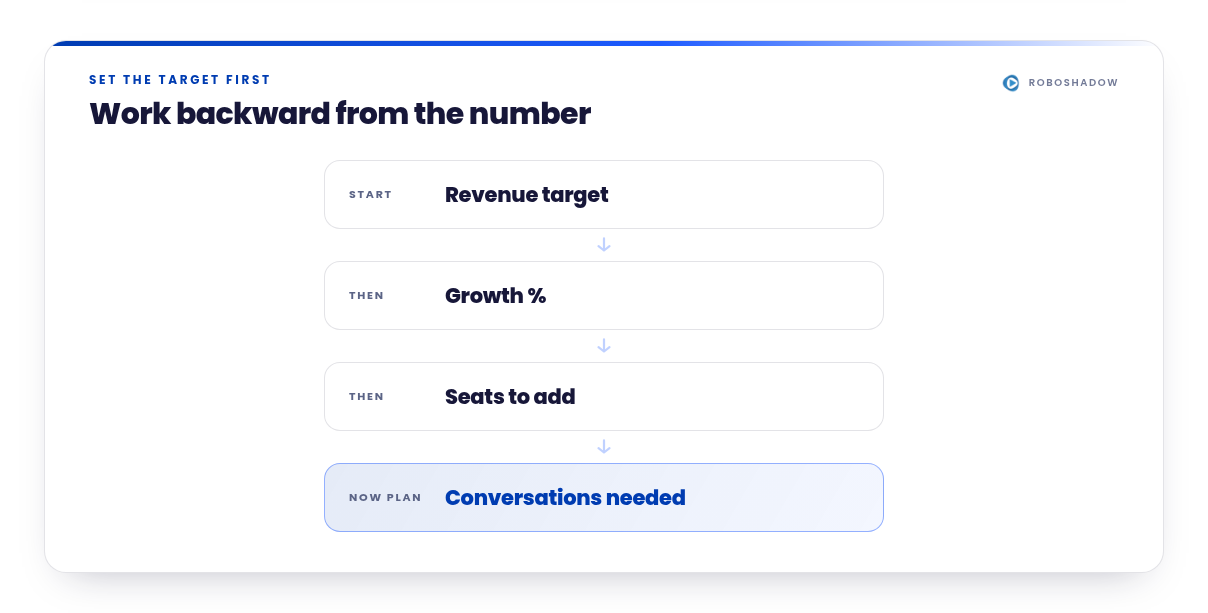
Before any marketing work starts, Dave argues the numbers need to come first, in forms of a revenue target, a growth percentage, and a number of seats to add. From there, the sales side of the business gets mapped backward from that goal, because those figures determine who the business needs to attract and how many conversations it’ll take to get there.
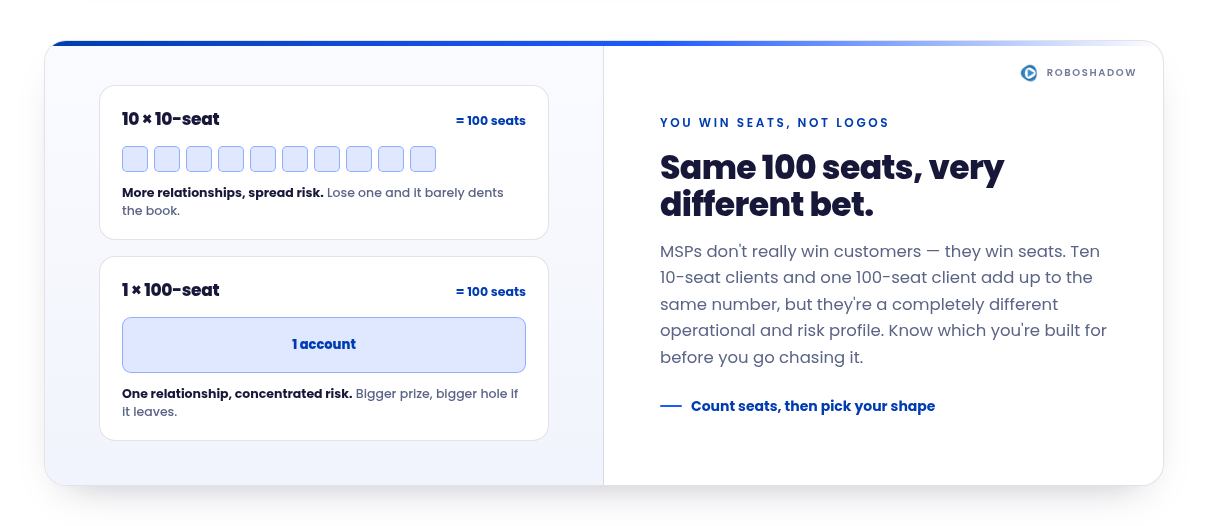
One detail Dave keeps returning to is that MSPs don't really win customers, they win seats. Knowing what a single seat is worth per year changes how an owner thinks about a target, because it reframes the conversation about company size. Winning ten 10-seat customers carries a very different operational and risk profile from winning one 100-seat customer, and most owners have a rough sense of which size of company they'd rather work with without ever having worked out what that preference means for the number of relationships they'll actually need to build.
Without a plan built on those numbers, Dave's view is that owners end up winging it, with no real way to judge whether they're succeeding, even when the business is really moving in the right direction.
Being the face of the business isn't the same as closing every deal

Most MSP owners end up doing their own sales, often on the assumption that there's no alternative. Dave draws a distinction he thinks gets missed constantly: being the visible personality of a business and being the person who closes every deal are not the same job. An owner with the deepest experience in the business is usually the one best placed to speak publicly, write, and build a following, because prospects are drawn in by hearing from a real person with real expertise. But that trust, once established, doesn't have to be spent entirely by the owner. Dave estimates that somewhere between half and three-quarters of the trust a prospect builds with a visible owner can transfer to whoever they speak to next in the business, simply because that person is seen to represent the same brand.
Though this isn't the only school of thought. Dave mentioned a consultant he'd recently worked alongside who argues the owner should remain the closer on every deal, precisely because they want to be the personality behind the brand. Dave's disagreement is less with the idea of the owner being visible, than with the assumption that visibility and closing have to be the same job. An owner can focus on the moments that matter most, stepping in for the technical, consultative conversation once a prospect is close to a decision, while someone else handles outreach, appointment-setting, and the earlier stages of the relationship. He's direct about the discomfort that that causes a lot of owners, who feel it's somehow presumptuous to have someone else emailing prospects on their behalf. His view is that the discomfort is worth pushing through, because very few owners can sustainably run the entire process themselves indefinitely.
Growing a salesperson from inside the business
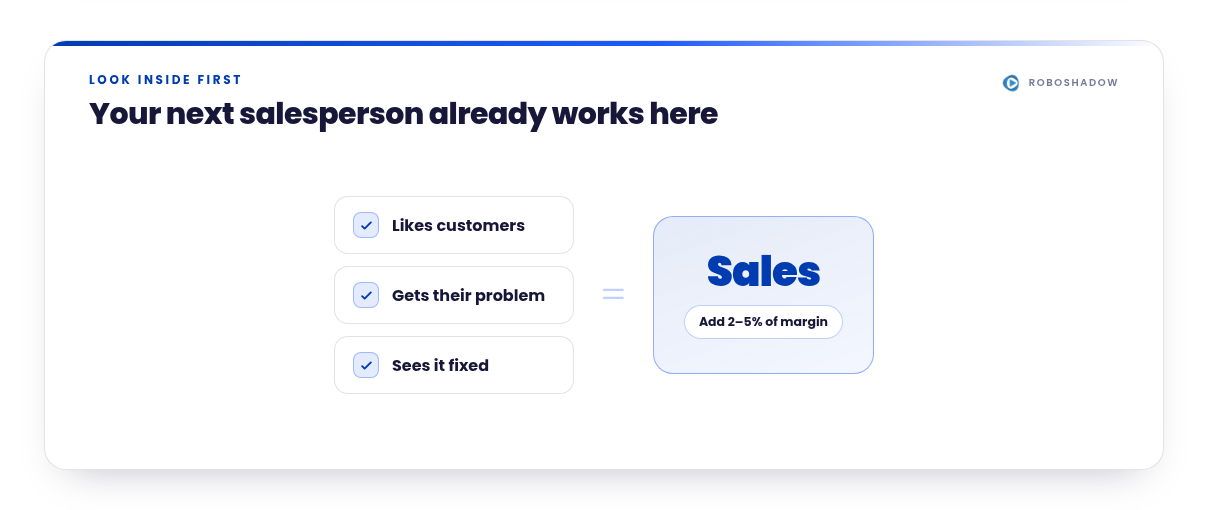
Before looking outside, Dave suggests owners look at who's already having the right conversations. He shared an example from an MSP he'd consulted, looking for a technically focused team, an owner who felt trapped into doing sales himself, and one junior helpdesk technician with some natural personality. When Dave floated the idea that the technician could take on sales, the immediate reaction in the room was that he was "technical" and didn't do that sort of thing. The technician said much the same about himself. But when Dave asked what he actually enjoyed about his job, the answer was that he liked talking to customers, understanding their problems, and seeing solutions through. That, Dave pointed out, already is sales.
Part of what makes this hard to see, in his experience, is a distinctly British discomfort with talking about money. Sales roles in the UK often get relabelled as something else entirely to avoid the word, in a way Dave says doesn't happen to the same extent in the US, where a sales career carries more pride.
He's also careful to separate this from the old idea of sales as pushing something on someone who doesn't want it. Nobody can be talked into spending real money on something they don't need; the job, whether it's a technician on a helpdesk call or someone in a dedicated sales role, is to help a customer recognise a problem they already have and walk them through the options for solving it. Framed that way, most MSP technicians are already doing a version of sales every day without calling it that.
Where an owner wants to give that kind of role more shape internally, Dave points to a rough norm of somewhere between 2% and 5% of the profit margin on a deal or project as an added incentive, layered on top of whatever the person is already earning. Although it’s not a formal sales hire, it gives someone a reason to act on the opportunities they're already hearing about, whether that's a client mentioning they're moving offices or launching a new product line.
Hiring a salesperson from outside
When an MSP does need to hire externally, both Terry and Dave are in a agreement that it's one of the hardest roles to fill in the business. Genuine MSP sales experience is rare to find in the market, so Dave looks instead for people from a broader B2B services background. Candidates coming from product-led sales environments, in his experience, tend to struggle, because they're used to selling something with a fixed price and a defined set of features, and managed services don't work that way. Dave pointed to his own colleague at Wingman as the kind of hire that does work: qualified as an accountant before deciding the profession wasn't for him, with no direct sector background but with the instincts and appetite for a different kind of challenge.
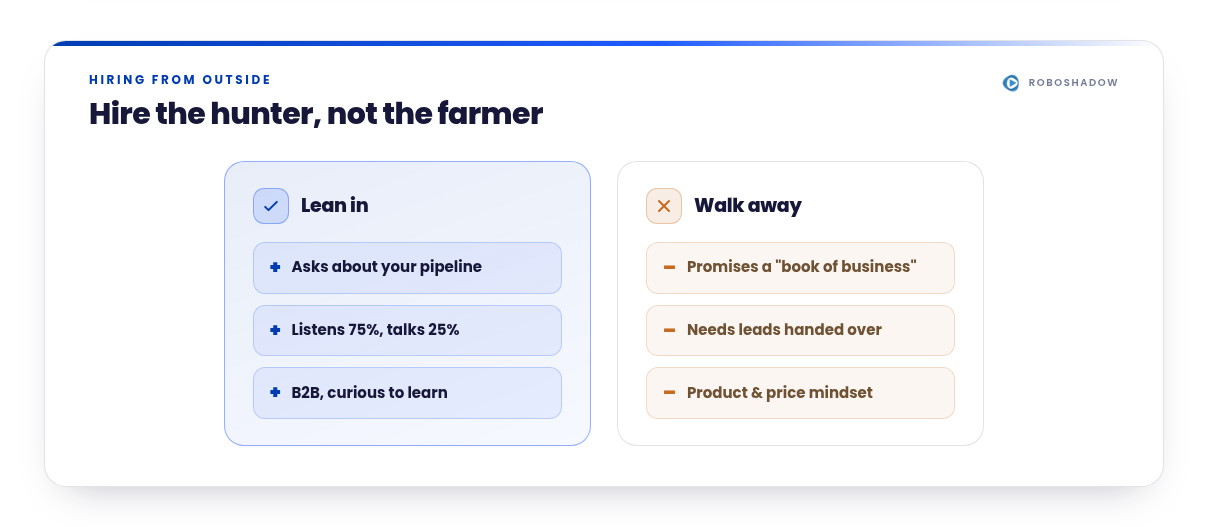
A few signs help separate the candidates worth pursuing from the ones who aren't. Dave is wary of anyone who arrives promising an existing book of business they can bring across from a previous employer, since non-competes, existing contracts, and vague promises from former clients rarely turn into anything real once the person actually starts.
There is also an equal wariness of candidates from corporate backgrounds where leads were generated for them centrally, since those candidates have typically been farmers rather than hunters, and tend to struggle once there's no inbound pipeline waiting for them. What he does look for is curiosity in the interview itself. Good MSP salespeople, in Dave's opinion, spend roughly three-quarters of their time listening rather than talking, so a candidate who asks detailed questions about the existing marketing engine, the lead flow, and where deals typically stall is showing exactly the instinct the role requires. A candidate with nothing to ask is a clear warning sign.
Dave also cautions against judging a new sales hire too early. MSP buying cycles are long, often somewhere between six months and two years, and a new hire needs real time before a closed deal is even possible. Rather than tracking closed revenue alone in the first few months, he suggests watching the earlier-stage numbers: whether conversations are happening, whether they're progressing, and whether the effort looks right, even before anything has closed.
Paying for performance without breaking the model
Compensation structures vary widely across the MSPs Dave works with, and he doesn't think there's one correct answer. He does draw a useful distinction based on where a business came from. Firms with roots in the value-added reseller world, selling licences and hardware on a lower basic salary with heavier commission, built that structure around a high volume of transactional, product-based sales. It suits box-shifting, not the slower, more consultative sale that a managed services contract usually requires. For most MSPs, Dave suggests a more blended structure: a reasonable basic salary that reflects the length and complexity of the sales cycle, combined with a real incentive that still rewards hunger.
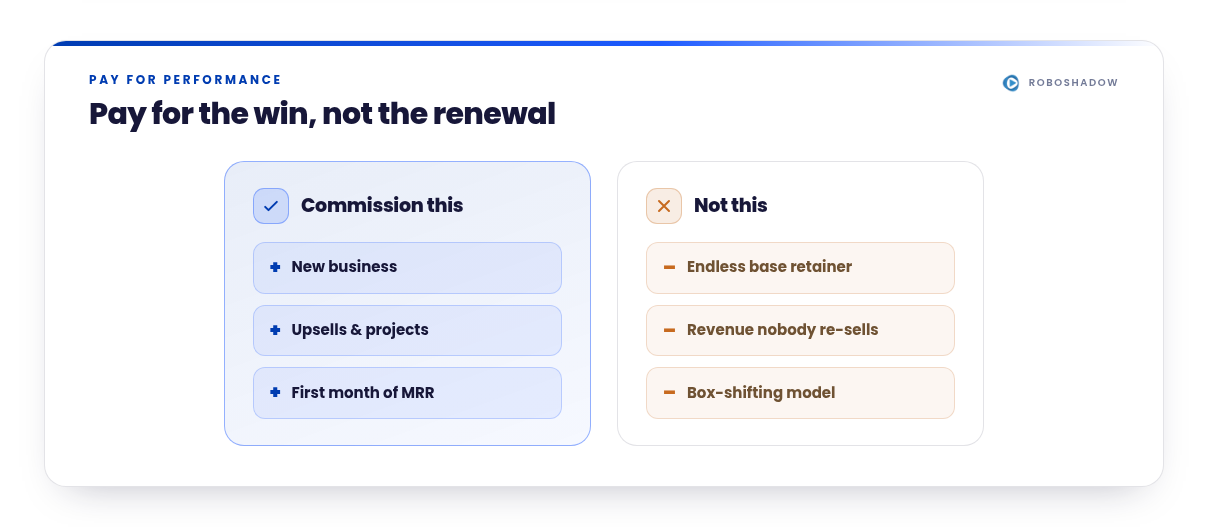
One further wrinkle he flags is what happens after the sale. If a customer sits on a rolling notice period rather than a fixed term, there's rarely a moment where a salesperson has to "resell" the managed services deal, which makes ongoing commission on that revenue hard to justify. His suggestion is to reserve commission for genuinely new business and for upsells and projects, such as new hardware, a migration, or an office move, rather than paying out indefinitely on the base retainer. At 3Gi, the model that has worked for Terry is handing a new client's first month of recurring revenue to whoever closed the deal, on top of a solid basic salary. Notably, his sales director isn't paid commission at all, an arrangement Terry describes as unusual but workable in this particular case, given that John is a part owner of the business and his role covers far more than sales alone.
Between setting a target, deciding who does the closing, and getting the incentives right, this alone could fill an entire conversation. It's the foundation the rest of the marketing conversation sits on.
The next piece in this series looks at what happens once that foundation is in place: how referrals, AI, and the balance between inbound and outbound marketing actually bring in the leads a sales team needs to work with.
As always, we thank you for your ongoing support and feedback, and if you have any questions, please don’t hesitate to reach out to us at hello@roboshadow.com.
We'd also love to get your thoughts on this topic, so if there's anything you'd like to add or challenge, just email us at zaimalalmahomed@roboshadow.com or terrylewis@roboshadow.com - it's always a treat to hear back from you when we put out content like this.
